CPR Myths That Could Cost a Life and the Truth Behind Them
- CPR
-
 Authored by
Dr. Thomas Kenny
Authored by
Dr. Thomas Kenny
- Updated December 10, 2025
- 1.0k views
You may already be familiar with how CPR works. But what if some of what you have heard is not true? In emergencies, even small mistakes can have significant consequences.
If you are planning to take a CPR course or have already started one, it is essential to clarify any confusion you may have. Let’s examine some common CPR myths and the facts behind them.
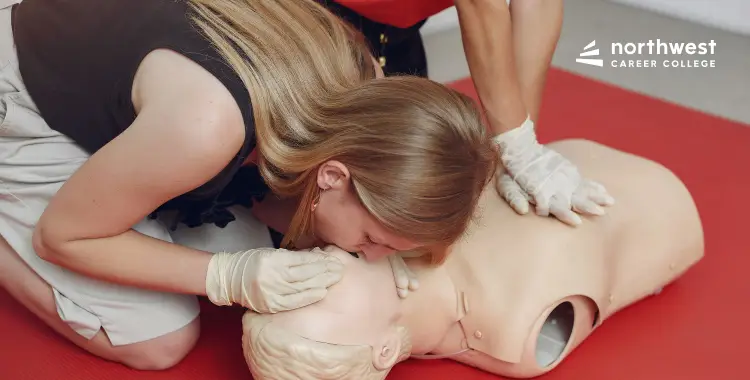
Table of Contents
Myth 1: Only Doctors Should Do CPR
Some people think CPR (Cardiopulmonary Resuscitation) is something only doctors or nurses should do. That is not true. You do not need a medical degree to save a life.
If someone stops breathing or their heart stops in a public area, anyone with basic knowledge of CPR can help. Hands-only CPR can double or even triple a person’s chance of survival. A short CPR course can teach you what to do in just a few hours.
So, if you think you are “not qualified,” think again. In an emergency, you might be the only person around who can step in and help.
Myth 2: You Might Hurt the Person
One of the most common fears people have is this: “What if I break their ribs?” That can happen during chest compressions, especially in adults. But not doing CPR at all is far worse.
The main goal of CPR is to keep blood moving to the brain and other organs. A cracked rib can heal. Brain damage from no oxygen? That cannot. CPR is about giving someone a chance to survive.
Myth 3: You Must Give Mouth-to-Mouth Every Time
This idea has stopped many people from helping. The truth is that mouth-to-mouth resuscitation is not always necessary.
Hands-only CPR is a type of CPR that can be performed when a person suddenly collapses. It implies doing chest compressions without any breaths. All you have to do is go hard and fast in the middle of the chest.
Mouth-to-mouth may be required for babies, small children, or a person who nearly drowned. However, in the majority of adult cases, hands-only CPR is sufficient until help arrives. Push firmly and quickly in the center of the chest, using steady, even compressions.
Myth 4: If They Are Breathing, Skip CPR
This one is tricky. If someone is breathing normally, then yes, you do not need to give CPR. But what if they are gasping or making strange noises? That could mean their heart has stopped.
It is called agonal breathing. It sounds like gasping or snorting. It is not normal breathing, and it does not mean they are okay. In those moments, seconds count. If someone is not waking up and their breathing appears abnormal, initiate chest compressions immediately.
Myth 5: You Can Learn CPR Just by Watching Videos
YouTube is great for cooking or fixing things. But CPR is not something you should learn by just watching.
A real CPR course teaches you what to do with your hands and body, and how to use your timing effectively. You get to practice on a manikin. You get feedback. You build fundamental skills.
Northwest Career College in Las Vegas offers a CPR course that teaches you how to act with confidence during real emergencies. You will learn step-by-step skills through hands-on practice, so you know exactly what to do when every second counts.

Conclusion
In an emergency, there is no time to pull out your phone and double-check what to do. What you know now will guide your next move. That is why clearing up these CPR myths is so essential. So take action. Learn the proper steps. Practice them. Trust yourself to help. Enroll Now at Northwest Career College and get trained in CPR the right way. You might be the reason someone gets a second chance.